Patterns & Pressure
Insights on financial pressure and psychosocial safety at work — for the people who can see it in the data and can't yet name it.
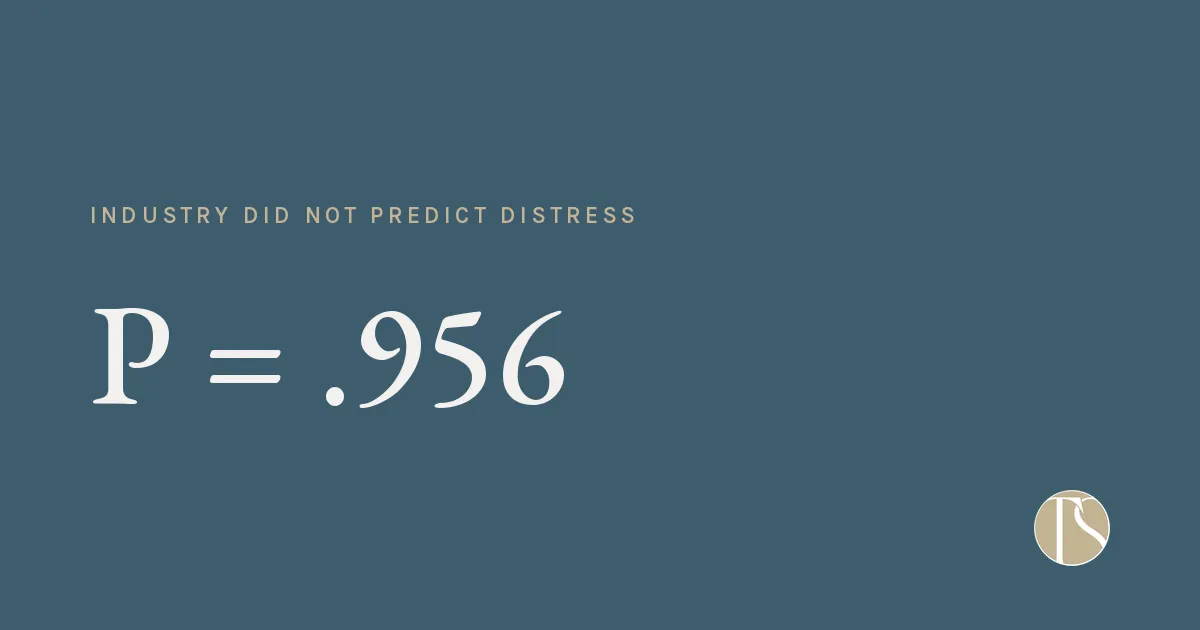
Industry did not predict distress
Published on: 05/09/2026
Australian research found industry did not predict psychological distress once age and gender were accounted for. Which breaks the way most organisations decide who needs support.
psychological distressabsenteeismworkforce researchfinancial stresstargeting
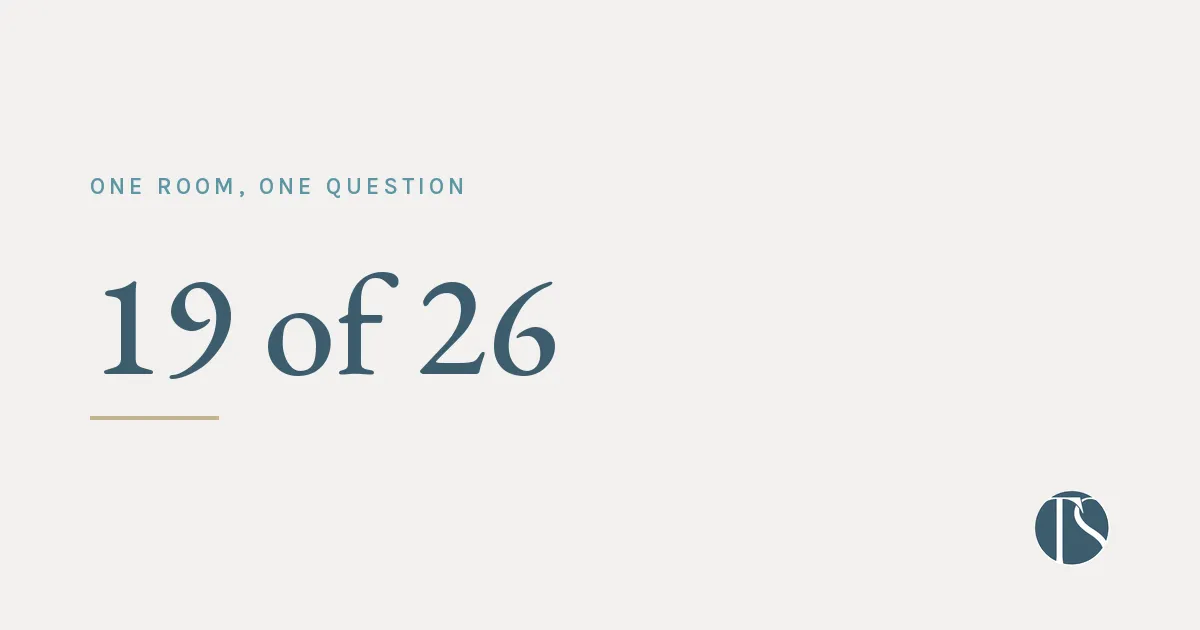
I asked twenty-six people directly. Nobody said no.
Published on: 05/09/2026
One room, one question, and a result that says less about the room than about how rarely anybody asks it.
room evidencefinancial pressureemployee surveysmeasurementpsychosocial risk
Construction does not have a worse problem. It has a clearer view of it.
Published on: 14/08/2026
The evidence says industry does not predict distress. What construction has is a financial structure unusually exposed to view, which makes the mechanism legible in a way it is not elsewhere.
constructioninfrastructuresubcontractorsinsolvencypayment termspsychosocial risk

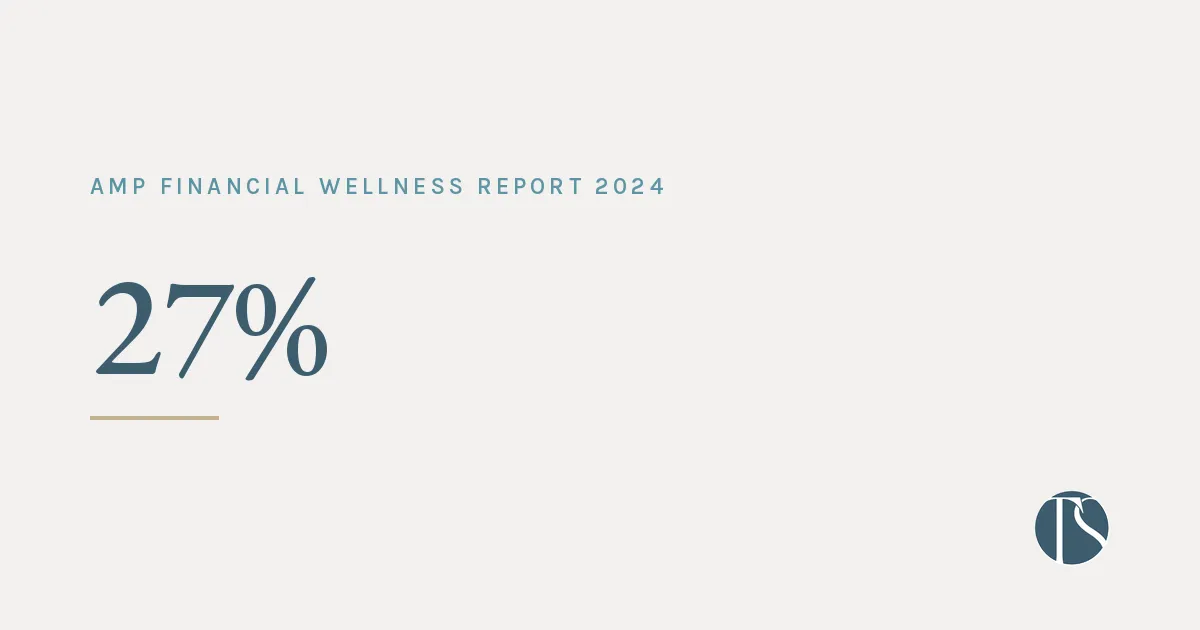
More than a quarter of Australians have told nobody
Published on: 07/08/2026
Over a quarter of Australians hold a financial worry they have never shared with anyone. Which makes concealment, not prevalence, the thing your data is actually measuring.
financial concealmentdisclosureemployee surveysAMP researchpsychosocial risk